Improving quality of life for people living with multiple sclerosis.
Our healthcare work connects direct patient support with research and system-strengthening so immediate needs and longer-term progress are considered together.
Why this matters
Overlapping challenges for people living with MS in Jordan.
Multiple sclerosis affects physical functioning, cognition, emotional well-being and social participation. In Jordan, people living with MS face overlapping challenges that include limited access to specialised outpatient rehabilitation, insufficient psychological support, low public and caregiver awareness, barriers to participation and gaps in national data.
sTF5 Care’s healthcare pillar responds to this context through two complementary priorities: improving access to appropriate support now, and contributing to research and evidence that can strengthen future care.
Patient care and support
Nemat Al-Tawfiq
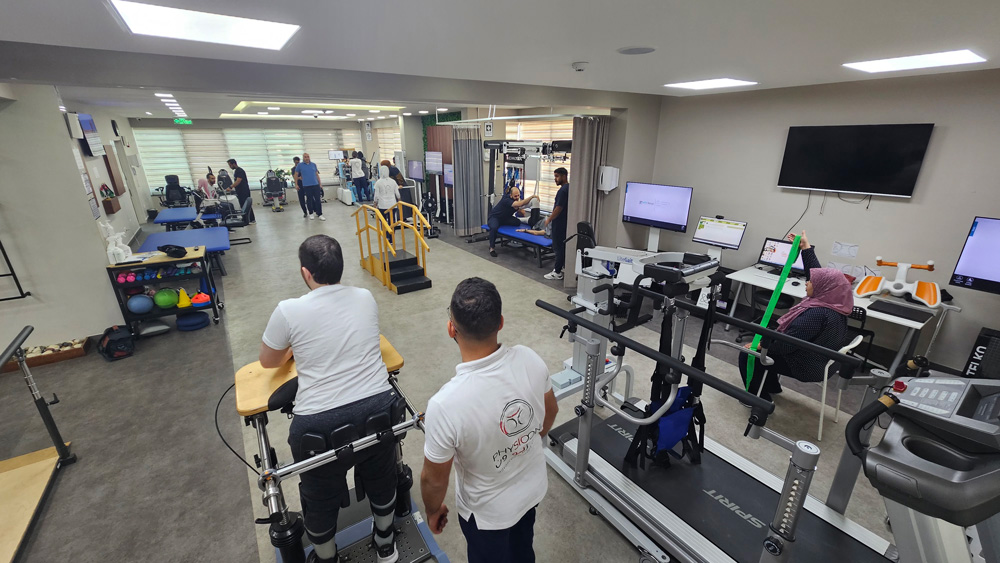
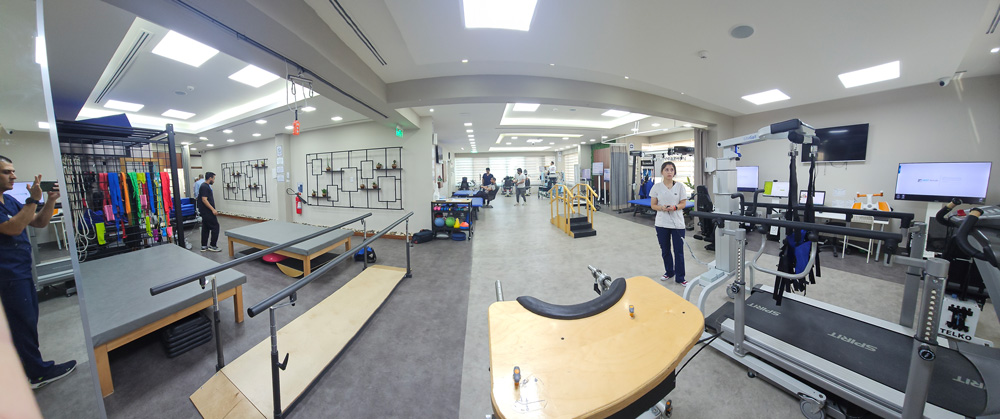
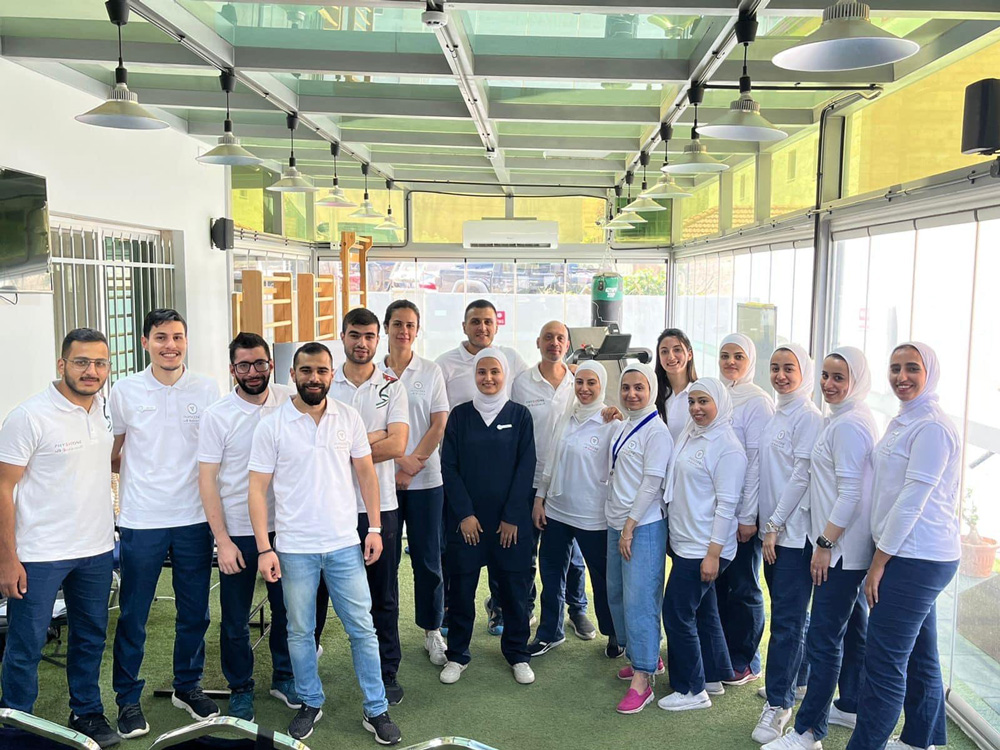
Established in 2017 with the support of sTF5 Care, Nemat Al-Tawfiq provides specialised outpatient services for people living with MS in Jordan. The programme is designed around practical needs that affect daily function, independence and quality of life.
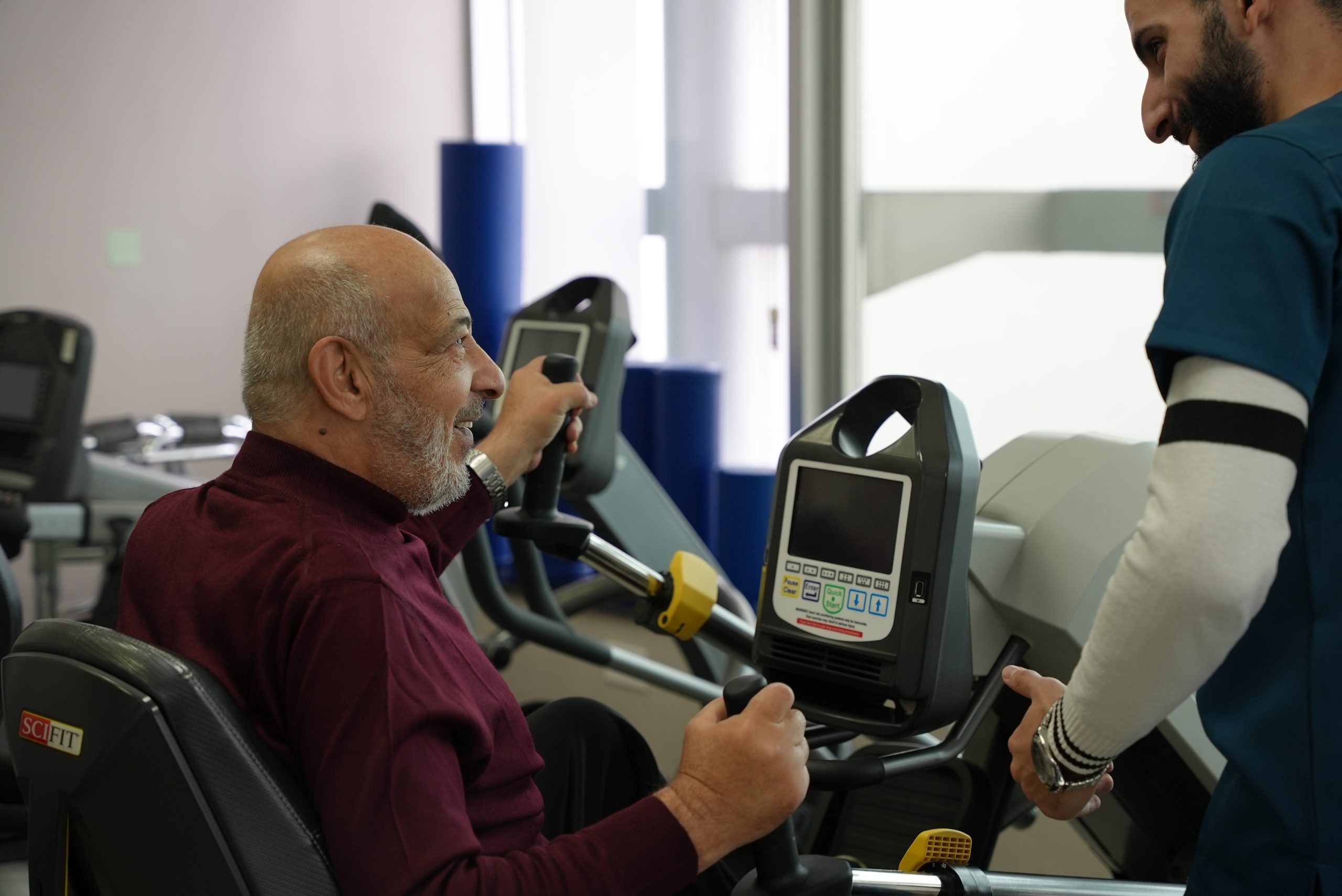
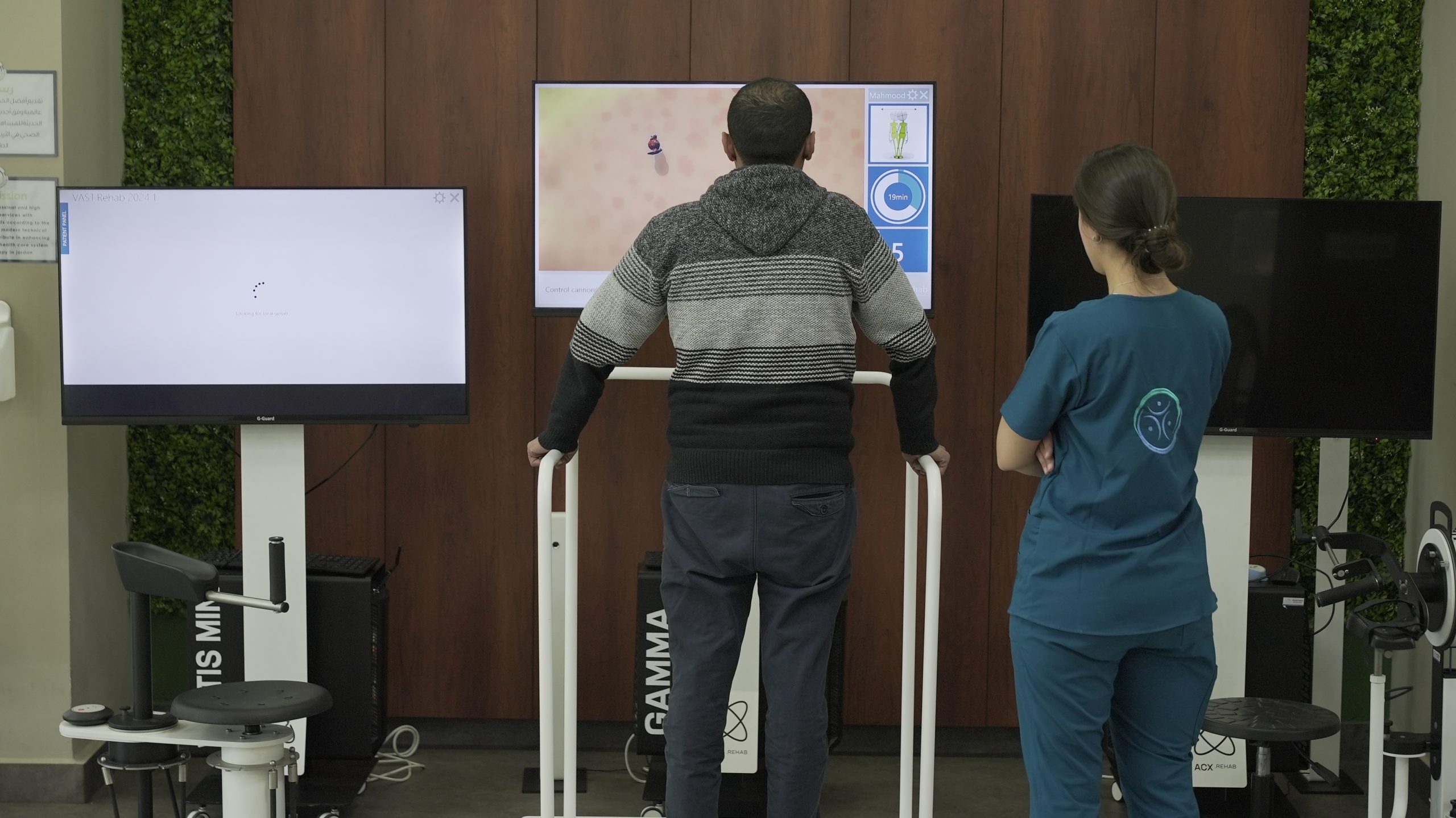
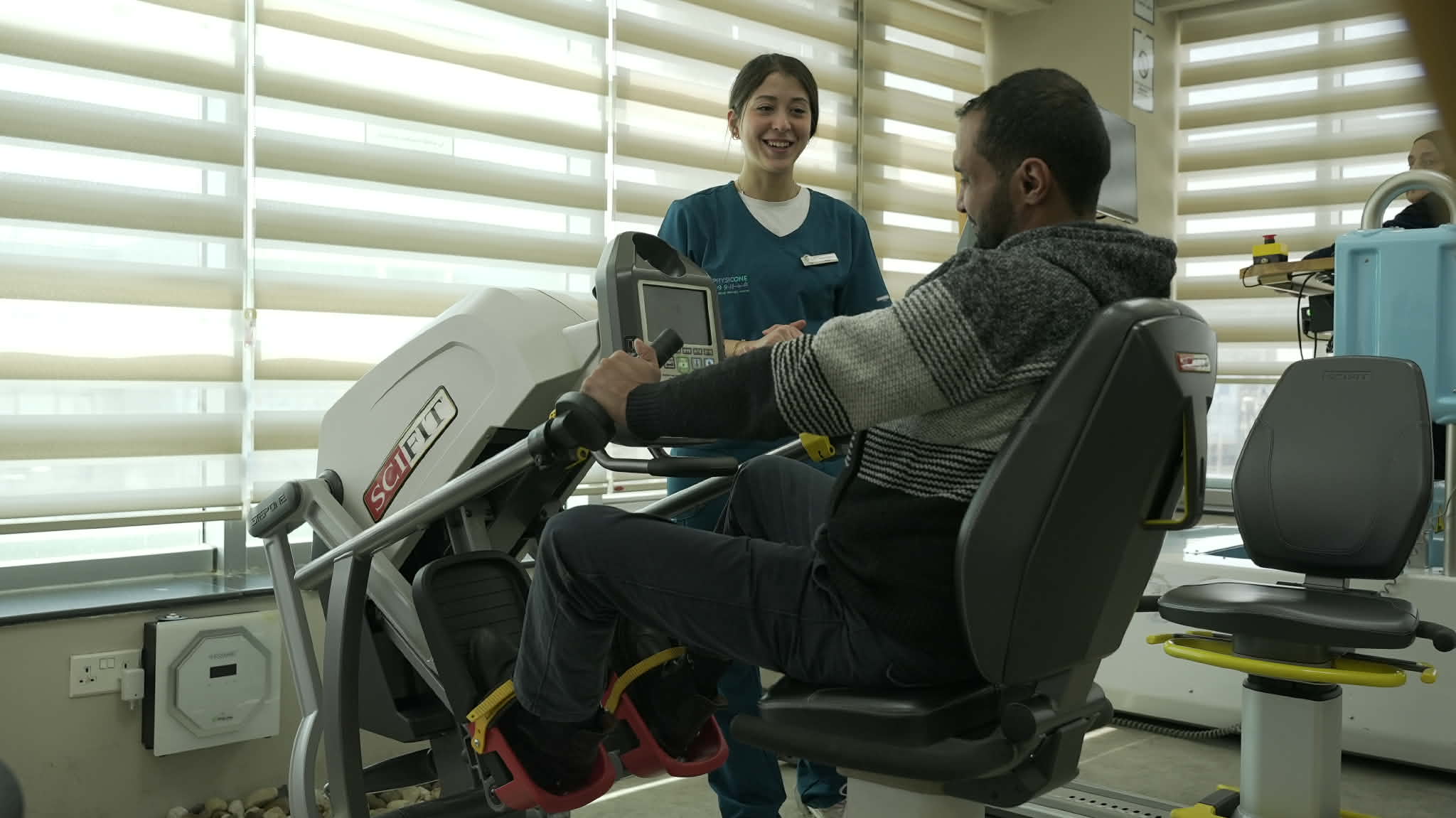
Rehabilitation services
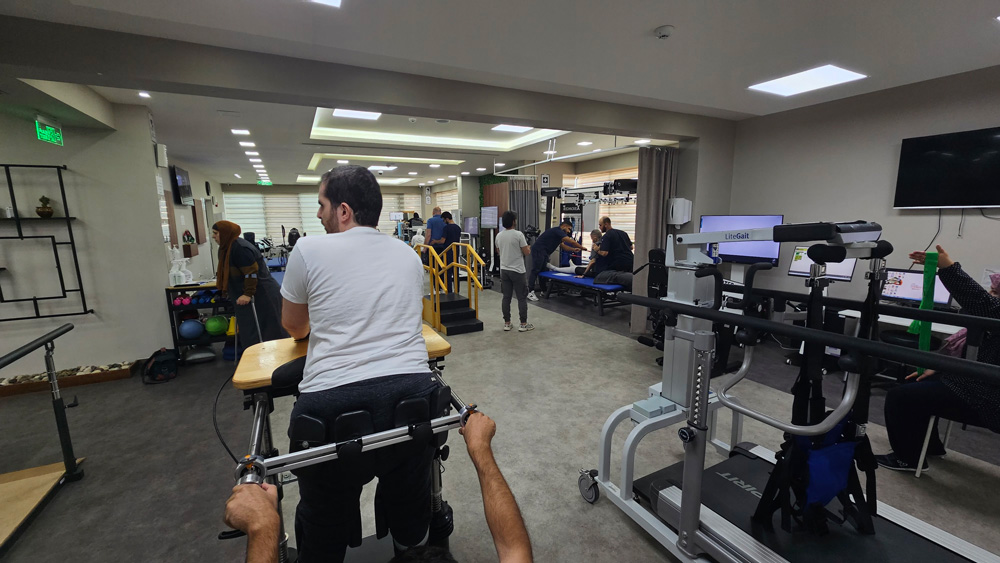
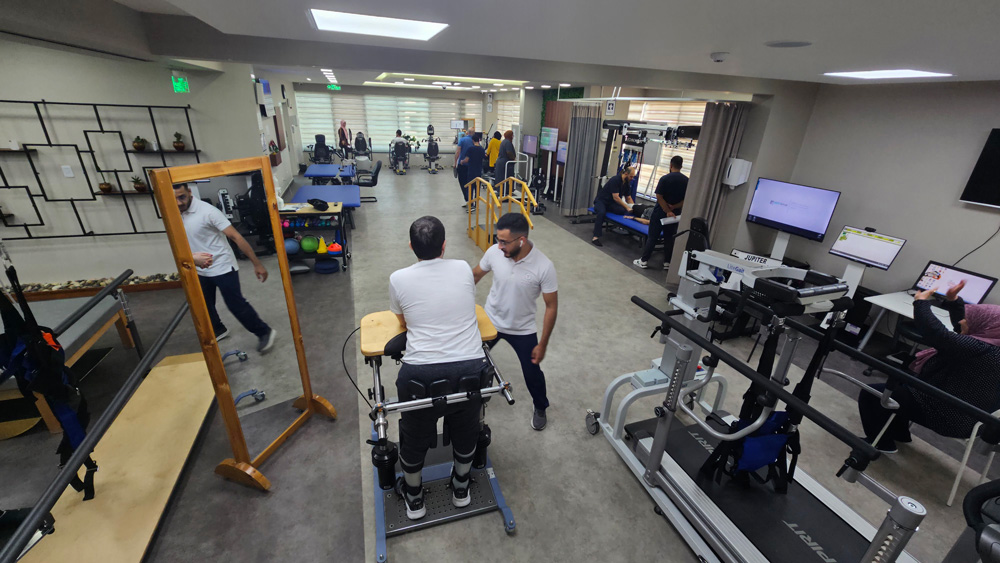
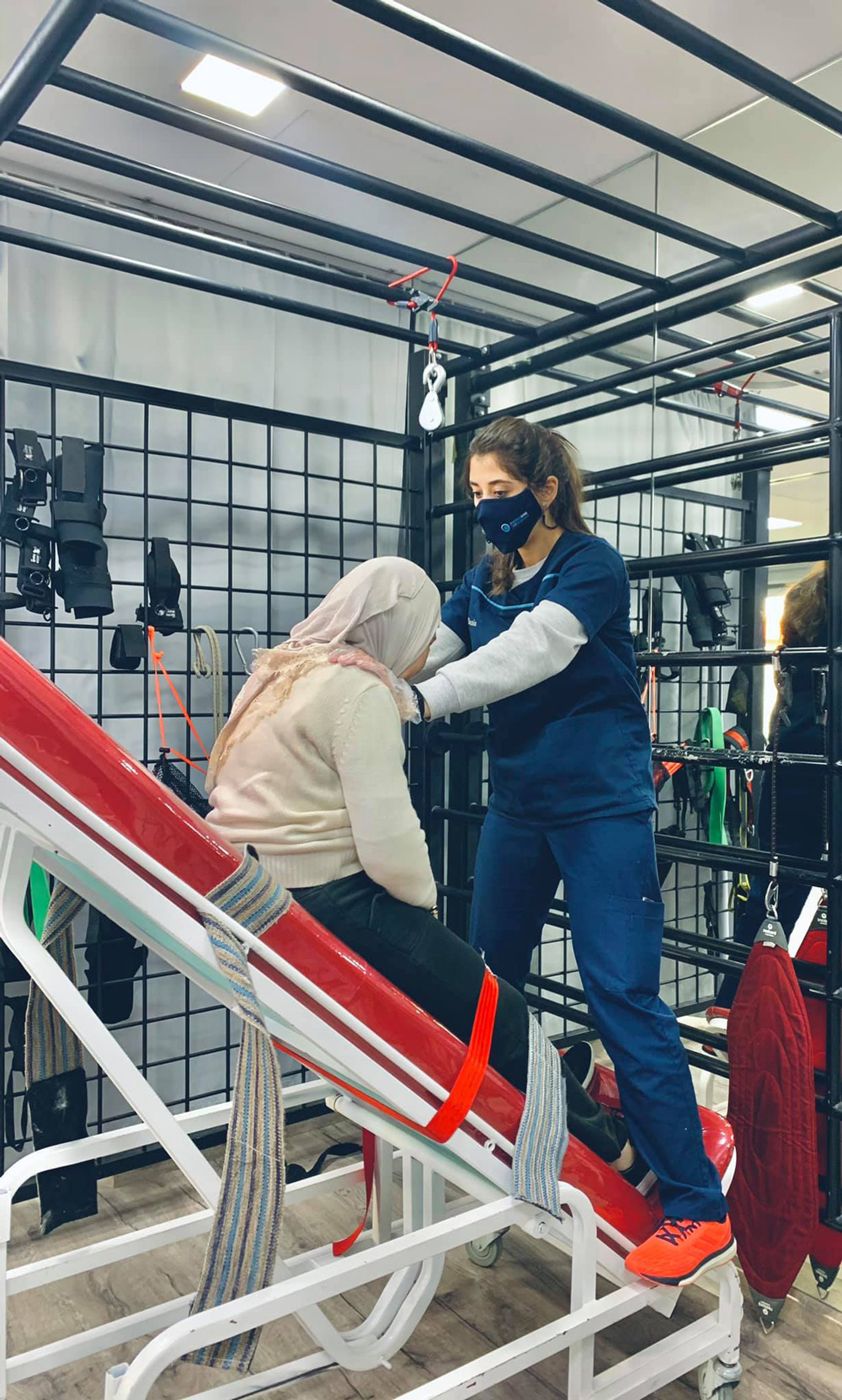
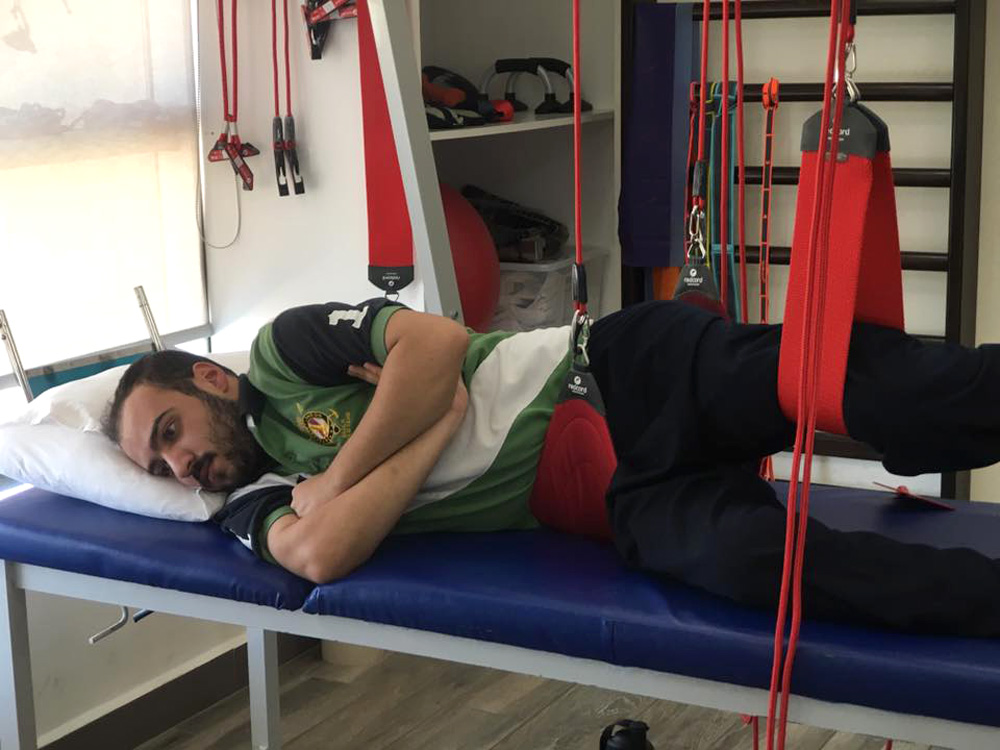
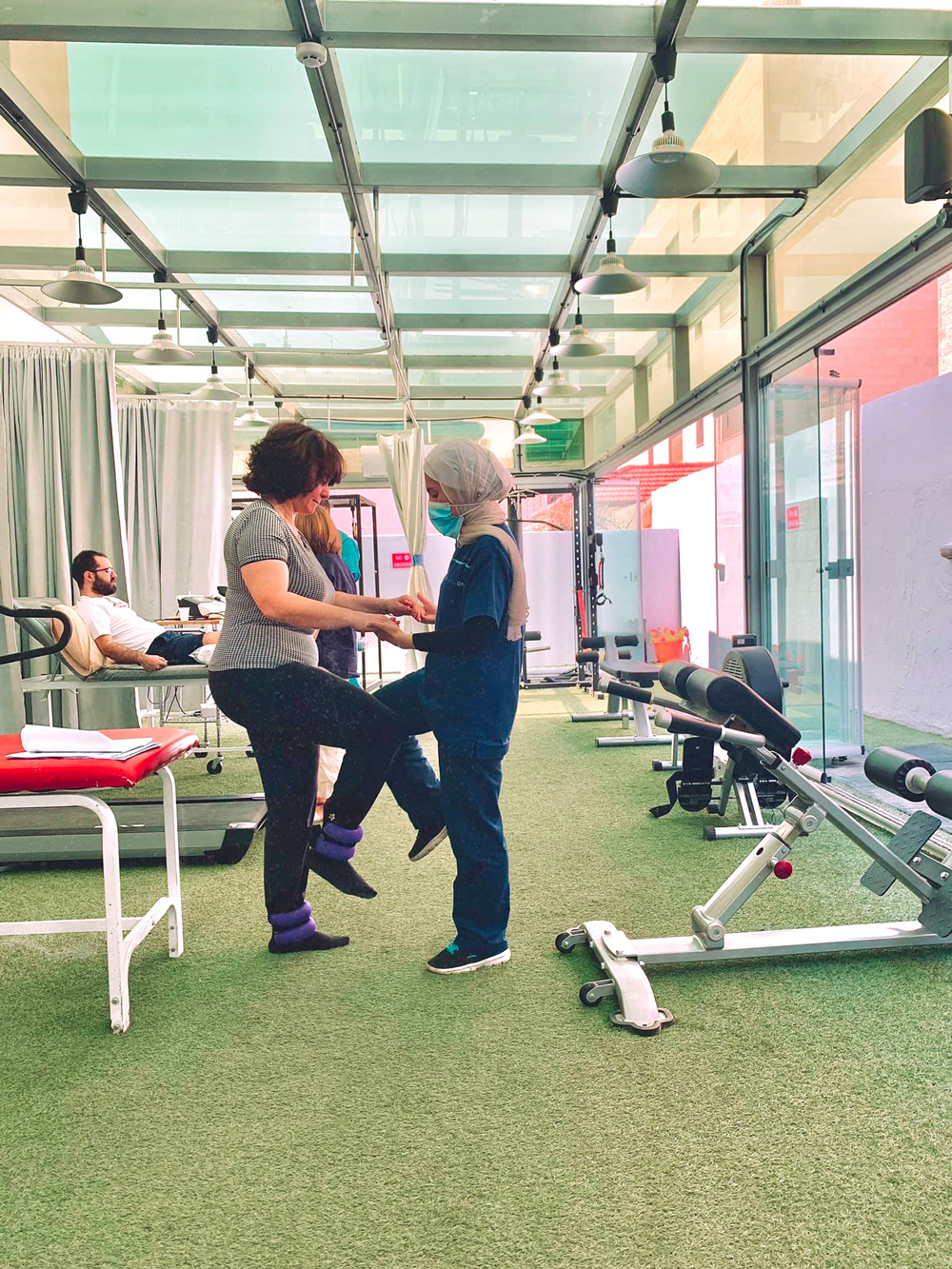
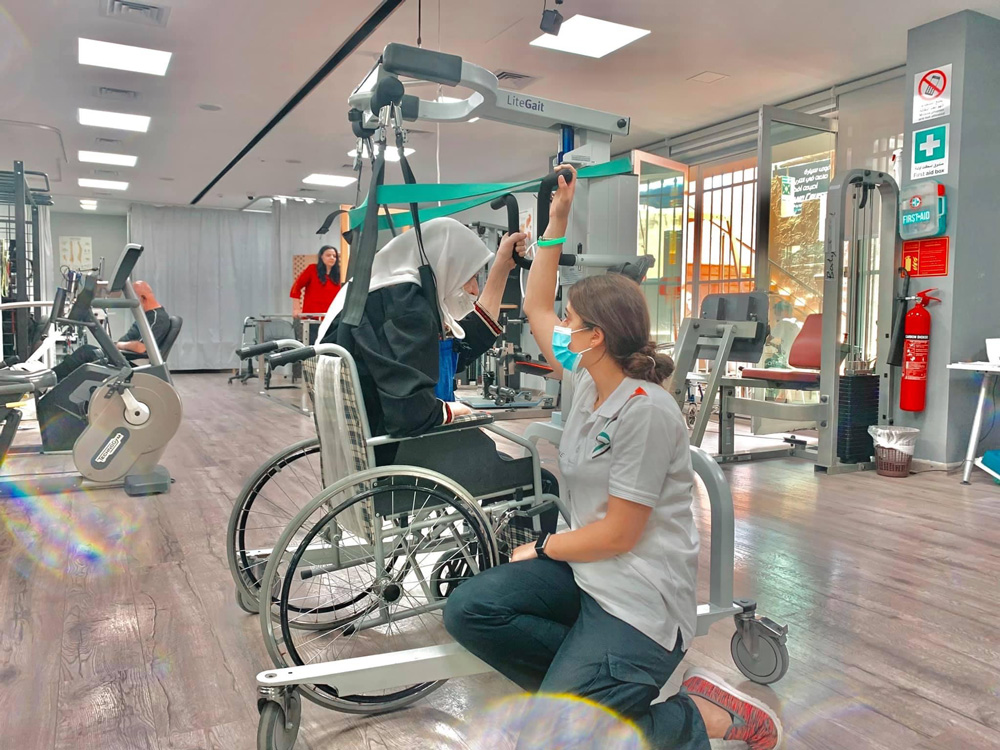
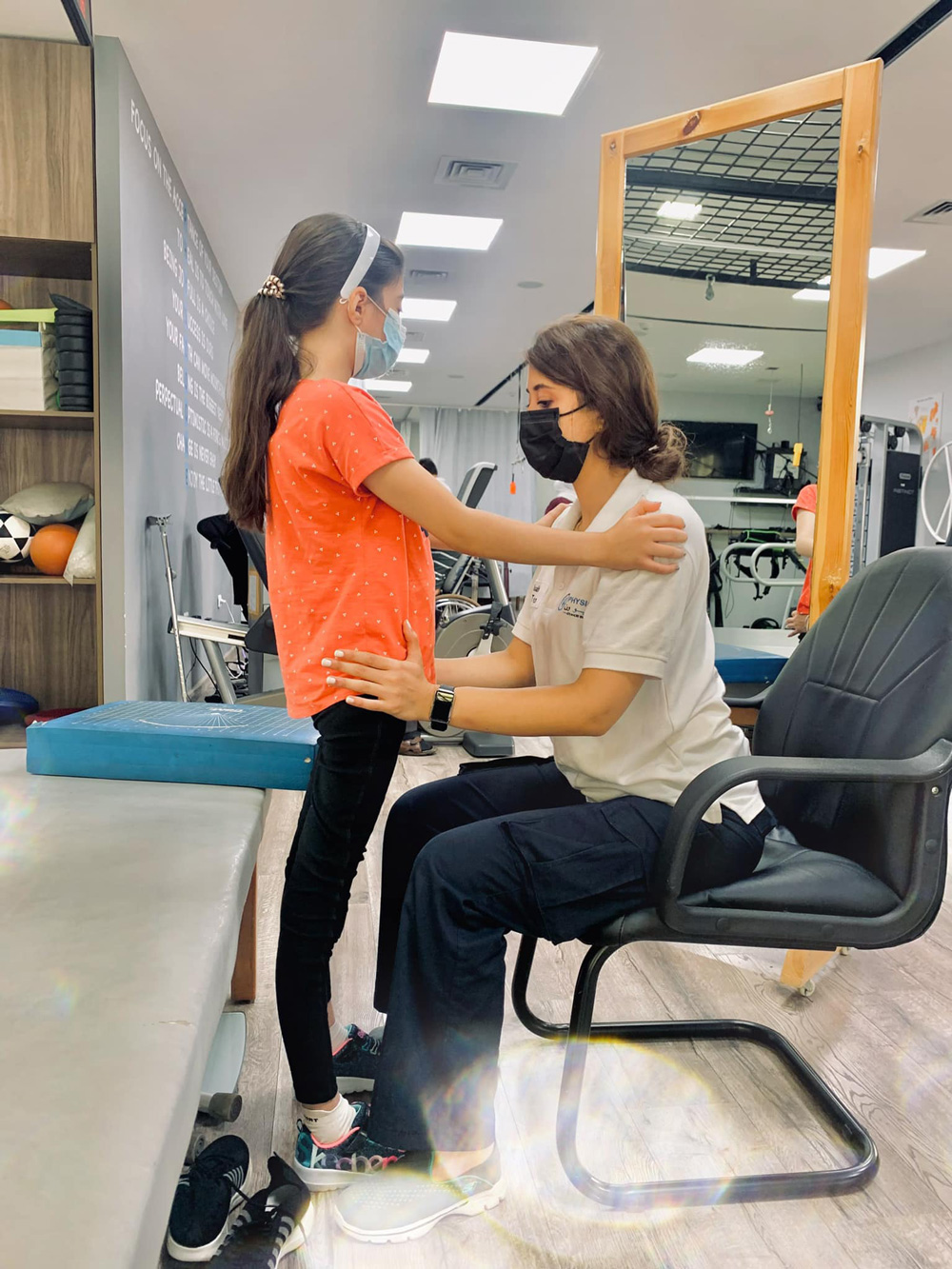
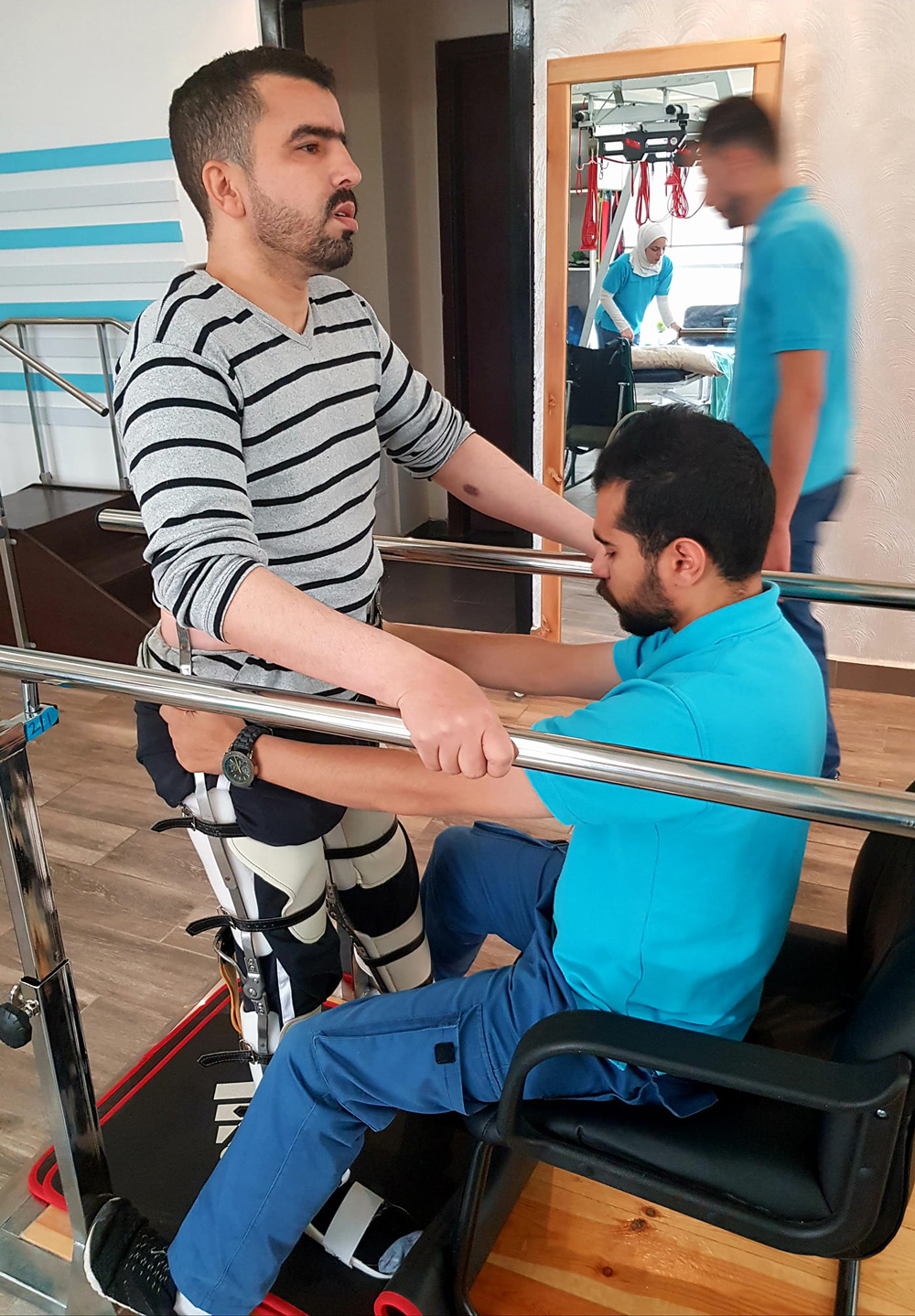
Targeted physiotherapy and occupational therapy support mobility, functioning and independence. The programme gives rehabilitation particular emphasis because it is one of the clearest and most immediate service gaps for many people living with MS.
Psychological and psychosocial support
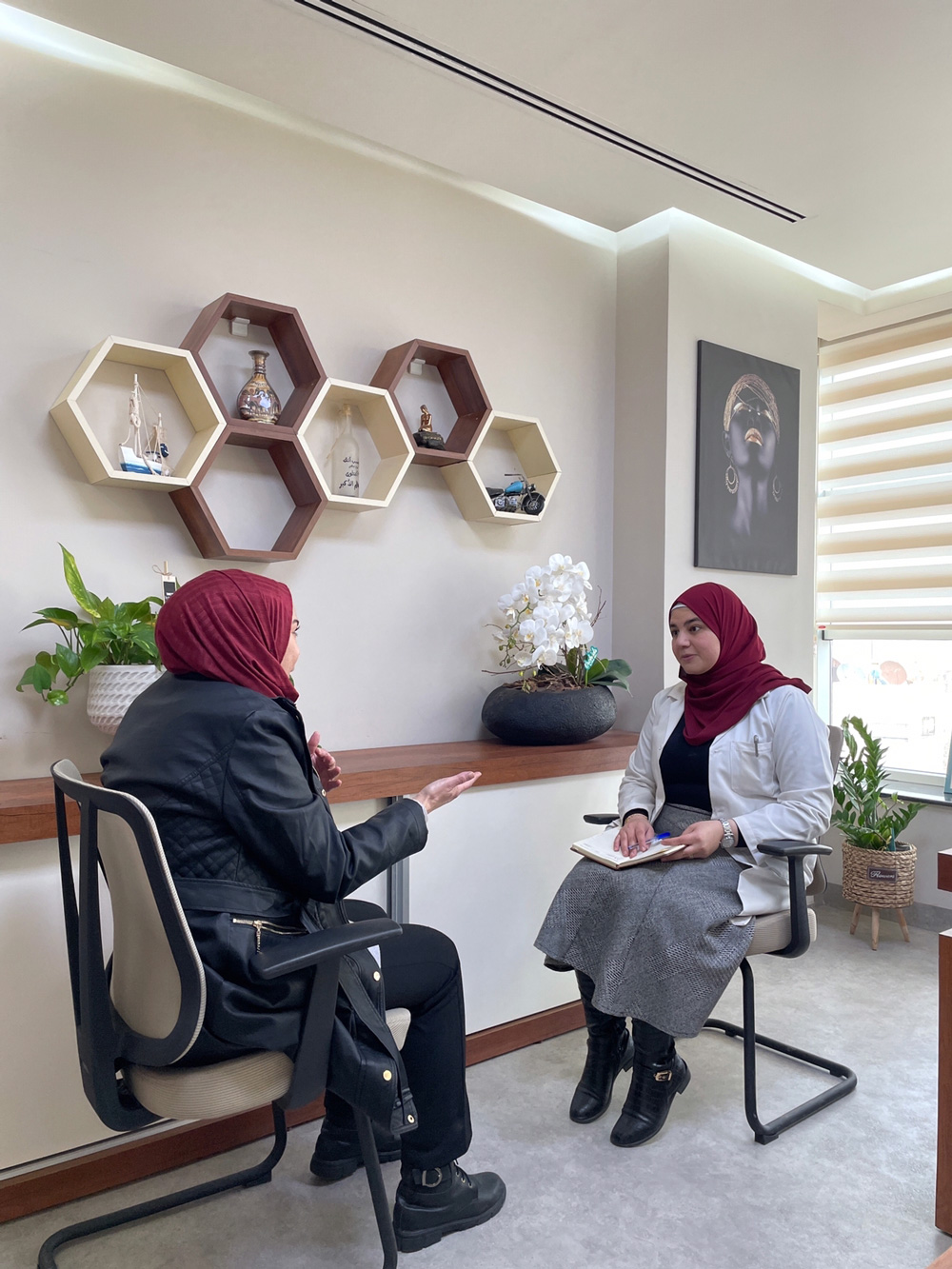
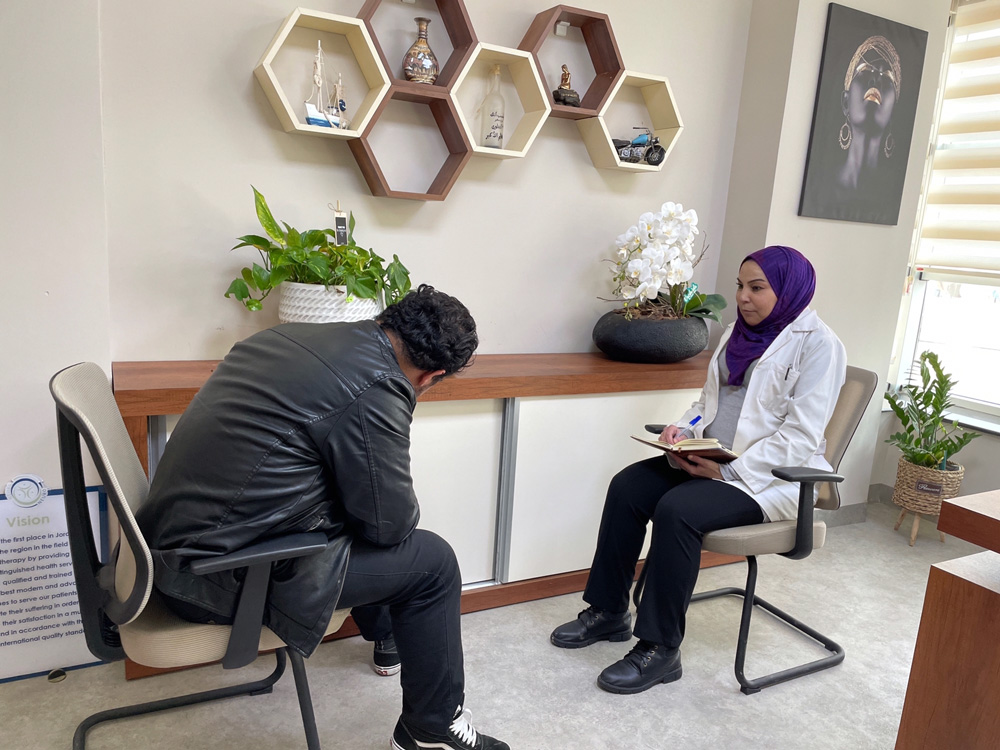
Counselling and tailored psychological and psychosocial support help people navigate the emotional burden associated with a chronic condition, including anxiety, depression and changes in daily life.
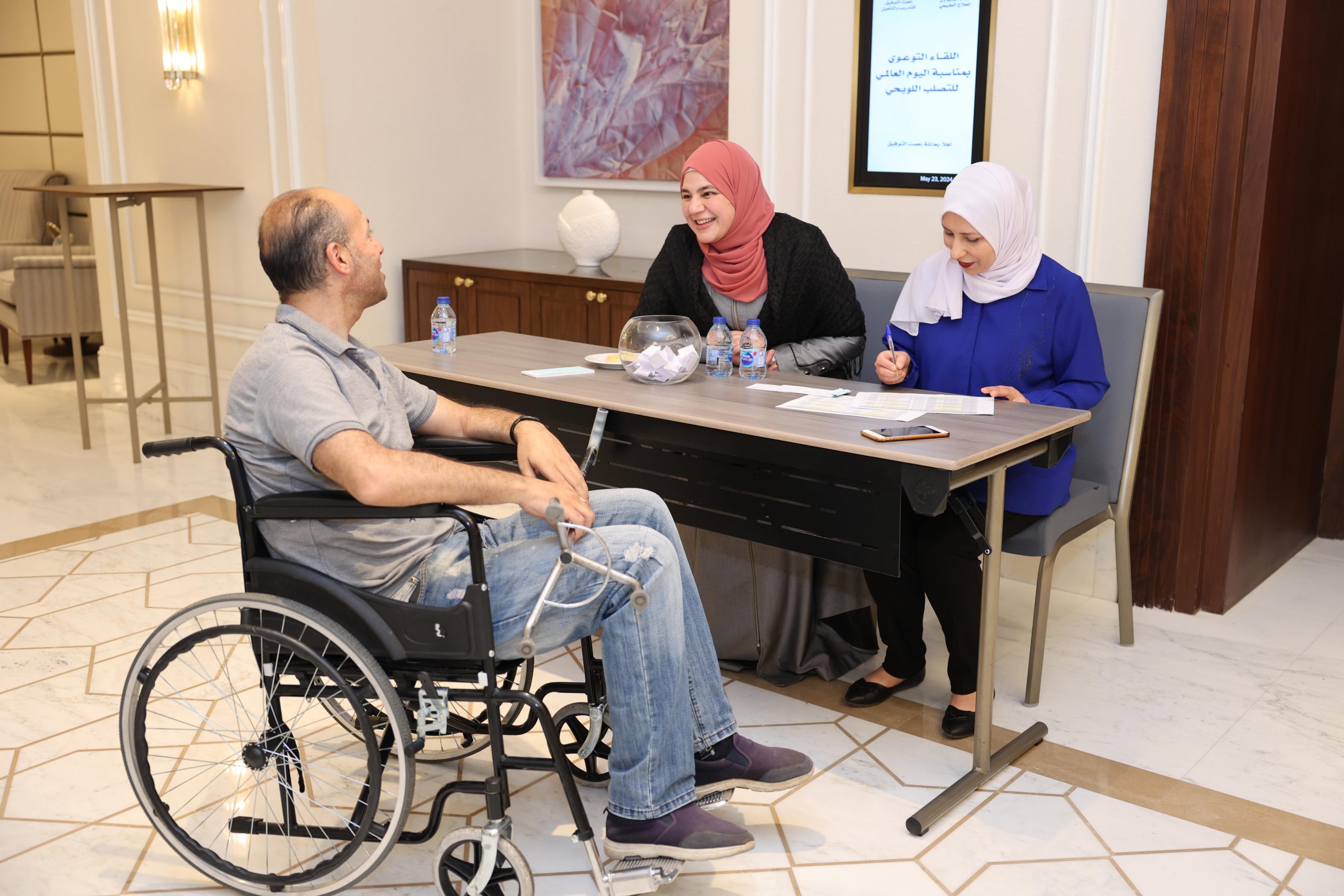
Health awareness
Structured awareness support helps people living with MS and caregivers understand the condition, treatment options, self-management and caregiving practices more clearly.
Assistive medical devices
Where identified through patient need, assistive medical devices can support mobility, physical safety and greater independence in daily activities.
The MS Health Program uses a Theory of Change that works at two levels. At the individual level, it focuses on rehabilitation, psychosocial support and awareness that can improve patient outcomes directly. At the collective level, it looks at the wider environment: public understanding, partnerships, advocacy, research, data and stronger systems of support.
Reliable and updated national prevalence data for MS in Jordan remains limited. The programme therefore uses available national research, regional comparison and international evidence to guide planning while continuing to treat the evidence gap itself as part of the problem to be addressed.
A note on prevalence
The programme’s Theory of Change estimates that Jordan may have around 4,485 people living with MS. This is a programme estimate informed by available evidence, not a definitive national prevalence figure.
Research and innovation
Case Western Reserve University
Since 2016, sTF5 Care has supported research at the Case Western Reserve University School of Medicine and the Tesar Laboratory. The work focuses on approaches to remyelination, with the long-term aim of contributing to new therapeutic possibilities for people living with MS.
The relationship connects patient-focused philanthropy with scientific knowledge generation. Research supported through the partnership has been associated with more than 32 scientific publications and continued progress in myelin research.
What the evidence currently shows
76,000+
physiotherapy and occupational-therapy rehabilitation sessions reported
400+
people supported through Nemat Al-Tawfiq’s MS outpatient services since 2017
1.2m JOD
reported total funding for PT/OT services for people living with MS
90%+
patients reporting a high level of satisfaction with rehabilitation services
85%+
active patients reporting that they received high-quality OT/PT services
32+
scientific publications associated with the supported Case Western Reserve research
Looking ahead
From a strong service model toward a broader national model for MS support.
The programme’s long-term direction is to move from a strong service-delivery model toward a broader national model for MS support. That direction combines direct rehabilitation and psychosocial care with stronger public understanding, better data and research, deeper partnerships, and more sustainable funding and internal capacity.
Future targets are treated as targets, not achievements. Over the next phase, monitoring will focus on whether expanded access is accompanied by measurable improvement in quality of life, not simply higher service volume.